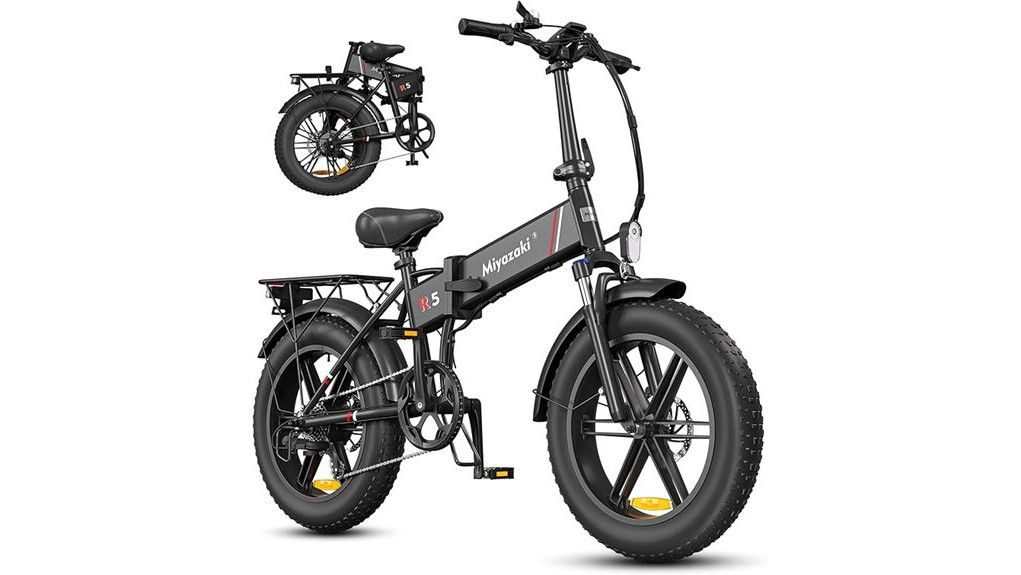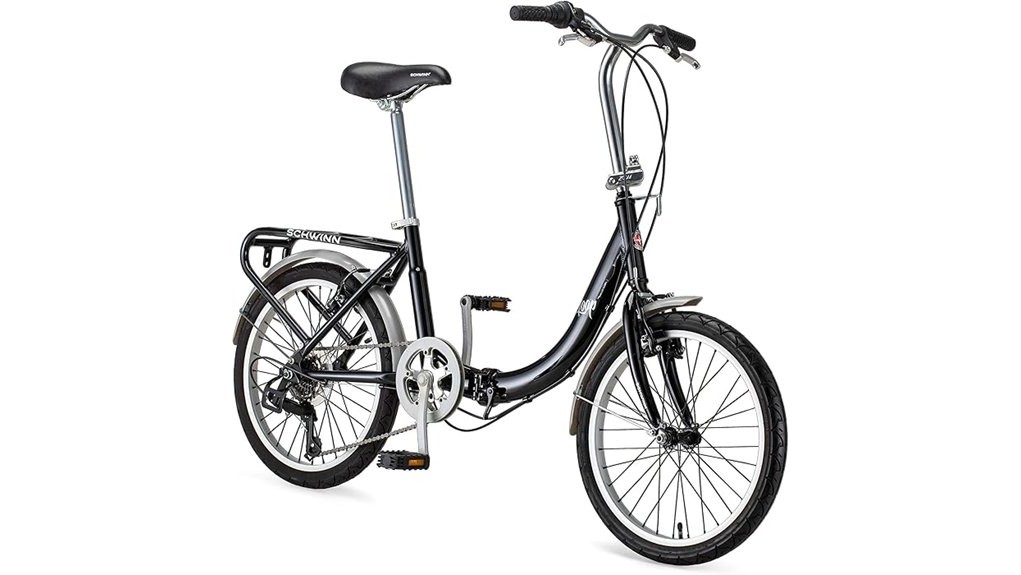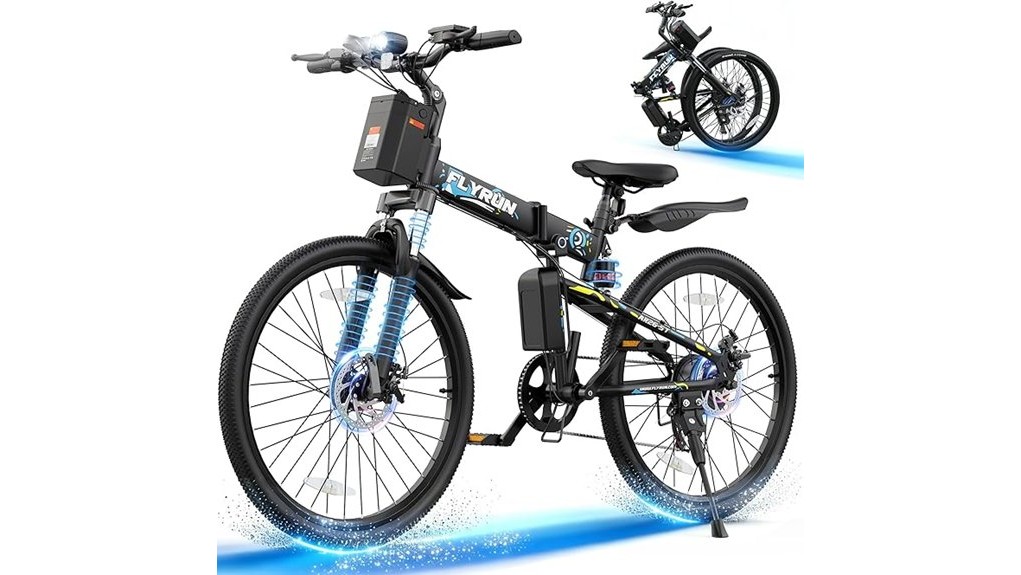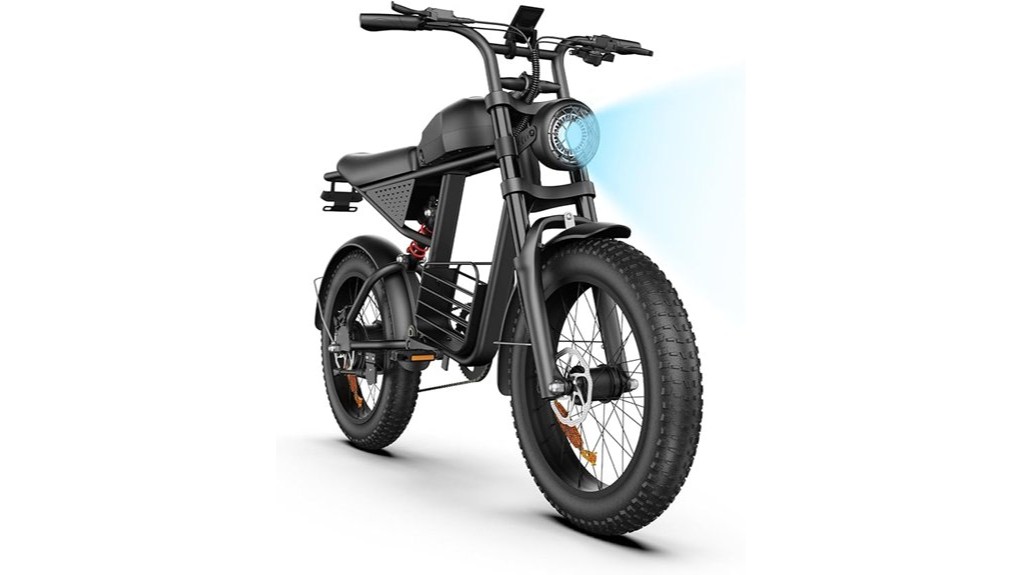

You’ll find the Nexaglide gives strong, practical performance for adult riders: it hits low‑to‑mid 30s MPH, climbs steep grades near 30°, and delivers roughly 40–100 miles depending on battery and mode. It pairs brushless motors (1000–3000W) with removable 48V batteries, dual discs, 7‑speed drive, suspension and fat tires for stable handling on road, trail, sand and snow. Assembly and maintenance are straightforward. Keep going and you’ll get full details on fit, options and real‑world tradeoffs.
Some Key Takeaways
- Nexaglide models offer motor options up to 1500W, reaching low-to-mid 30s MPH depending on configuration.
- Real-world range varies roughly 40–100 miles based on battery choice, riding mode, and load.
- 1500W motors climb grades up to about 30° with steady acceleration and usable hill performance.
- Hardware includes removable 48V lithium batteries, 7-speed drivetrain, dual mechanical disc brakes, and dual suspension.
- Assembly is ~90% complete; expect about one hour to finish setup and five hours for a full battery charge.
Performance Snapshot: Speed, Range, and Climbing Tested (30–37 MPH, 40–100 Mi, 30° Climb)
Kick the Nexaglide into a straight run and you’ll quickly see where it stands: with motor options up to 1500W it reliably hits top speeds in the low-to-mid 30s MPH (models list 30, 34, and 37 MPH), delivers ranges from roughly 40 to 100 miles depending on battery choice and riding mode, and climbs grades up to about 30° with the 1500W motor. You’ll appreciate steady acceleration and usable hill performance; real-world range depends on load and mode. Note battery degradation over time reduces range. Check local legal compliance for speed-class restrictions before riding on public roads. For riders who enjoy outdoor adventures, pairing the Nexaglide with off-road accessories can enhance durability and performance.
What’s Inside: Motor, Battery, Drivetrain, Brakes, Suspension, and Display Details
When you look under the Nexaglide’s skin, you’ll find a trio of brushless motor options (1000W, 1500W, 3000W) designed for higher torque and quieter, more efficient operation, paired with a removable lithium‑ion battery (48V choices up to 35Ah) that supports fast charging and overcharge protection. You get a 7-speed drivetrain with twist-grip shifting that’s durable and simple; dual mechanical disc brakes provide predictable stopping. Dual suspension soaks impacts while 20″ fat tires add traction. The LCD shows speed, battery status, PAS level, and mileage. Cooling emphasis reduces motor heat and improves battery ventilation for longevity. Designed for outdoors enthusiasts, the Nexaglide pairs high-performance components with a focus on off-road thrills.
How It Rides: Real-World Handling on Road, Trail, Sand, and Snow
All that hardware—brushless motor options, removable battery, dual suspension and fat tires—shows up in the ride feel: the Nexaglide feels planted on pavement, confident on singletrack, and surprisingly capable in loose surfaces. You’ll notice steady cornering balance at moderate speeds; the fat 20″ tires and suspension damp chatter and keep lines predictable. On compact trail sections the motor’s torque helps you exit turns without snatching. Sand traction is unusually good for a bike this size, though deep soft sand still slows progress. In snow you get stable flotation and usable grip, but expect reduced braking distances. This setup makes the Nexaglide a great choice for riders who want to gear up for epic off-road ebike adventures.
Practical Considerations: Assembly, Charging, Maintenance, and Safety Features
Because the Nexaglide arrives about 90% assembled, you’ll finish the remaining setup quickly with the included video guide and basic tools, but you should allow an hour to torque bolts, mount pedals, adjust brakes and gears, and check suspension settings for your weight and terrain. Charge the removable lithium battery with the fast charger; expect about five hours for a full cycle and use the LCD to monitor state-of-charge. Schedule routine maintenance: chain lubrication, brake pad inspection, tire pressure, and periodic tool upkeep to avoid roadside stops. Always wear certified safety gear and verify dual-disc brakes and lights before riding. For outdoors-oriented riders, keep a compact maintenance kit handy to handle common issues on trails and at remote locations, and learn basic ebike maintenance skills to stay prepared.
Who Should Buy This Nexaglide Model and Which Motor/Battery to Choose
After you finish assembly and get into a regular charging and maintenance routine, consider which Nexaglide options will provide the most benefit for your needs and who will get the most from this Nexaglide. If you want commuter efficiency and moderate daily range, choose the 1000W with 48V 20Ah for about 47 miles in PAS—good for Urban maneuverability and tight parking. For steeper climbs or heavier loads, pick the 1500W with 48V 20Ah or 35Ah for better torque and range. If you plan long Adventure touring or Family commuting with cargo or multiple riders, the 3000W paired with 48V 35Ah gives power and endurance. Many riders extend these ranges further using long-range batteries designed for outdoor ebike adventures.
Some Questions Answered
Does This Model Come in Colors Besides Yellow?
Yes — you can get color options beyond yellow. You’ll find standard finishes and some custom finishes depending on the retailer or package you choose. Check listings for available hues and ask sellers about custom finishes if you want a specific look. Evaluate warranty and delivery impacts before ordering a custom paint. Be impartial: availability varies by stock, region, and motor/battery configuration, so confirm color options with the seller.
Is Insurance or Registration Required for High-Speed Variants?
Yes — if you ride a high-speed variant, you’ll likely face insurance requirements and registration requirements depending on local laws. Evaluate your jurisdiction: many places treat e-bikes that exceed 20–28 MPH as mopeds or motorcycles, triggering vehicle registration, plate, helmet, and insurance mandates under ebike regulations. You should check state or local DMV rules and consult your insurer. Don’t assume road legality; failing to comply can lead to fines or impoundment.
Can the Battery Be Taken on Airplanes for Travel?
No, you generally can’t take the Nexaglide’s removable battery on airplanes without checking specifics. Most airline policies restrict lithium-ion batteries over 100 Wh in carry-on or cargo; the bike’s 905.2 Wh exceeds that limit. You’ll need to confirm battery restrictions with your airline and get written approval or ship via approved hazardous-goods freight. Don’t assume standard baggage—follow airline policies and declare the battery to avoid fines or confiscation.
Are Replacement Parts (Motors, Batteries) Readily Available?
Yes — you can usually find replacement motors and batteries, but availability varies. You’ll want to check motor availability from Nexaglide dealers or authorized resellers; aftermarket brushless 1000W–3000W options exist but may need fitting. For battery sourcing, removable 48V packs (15Ah–35Ah) are common; buy OEM for compatibility and warranty. Compare prices, confirm connector and controller compatibility, and expect lead times for less common models.
Is There a Cargo Rack or Accessory Mounting Options?
Yes — you can fit a cargo rack and other rack accessories to the bike. You’ll find mounting points on the rear frame and a sturdy high-carbon steel structure that supports cargo compatibility for light to moderate loads. Dual suspension and fat tires help stability, but check weight limits and follow the manual. If you plan heavy hauling, consider aftermarket reinforced racks and confirm compatibility with the model’s frame and brake layout.