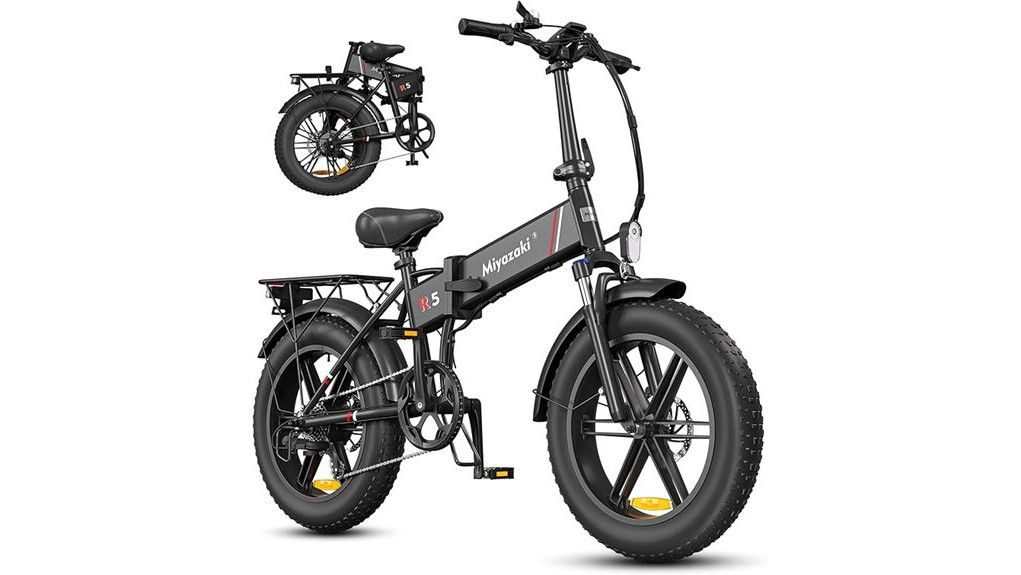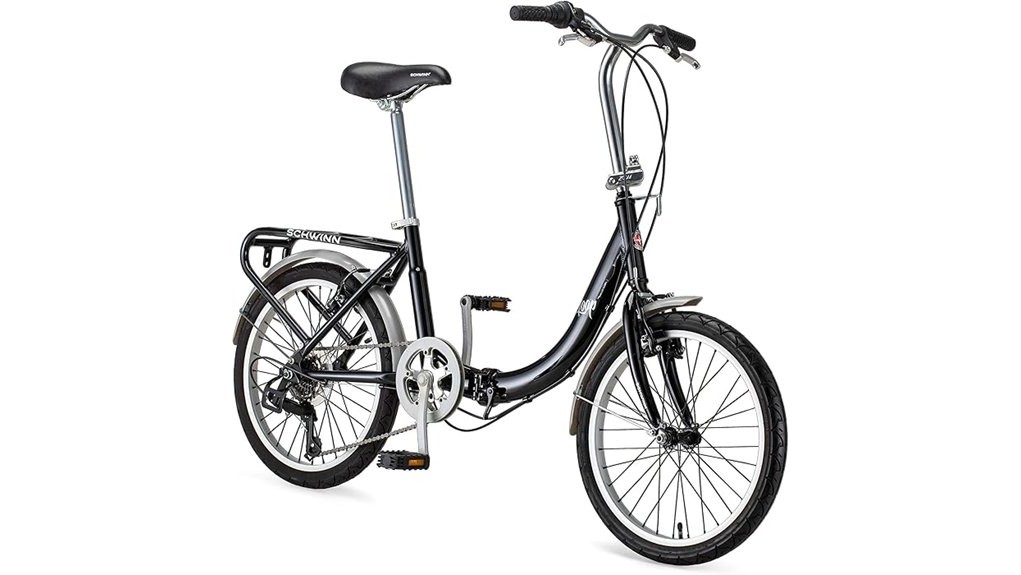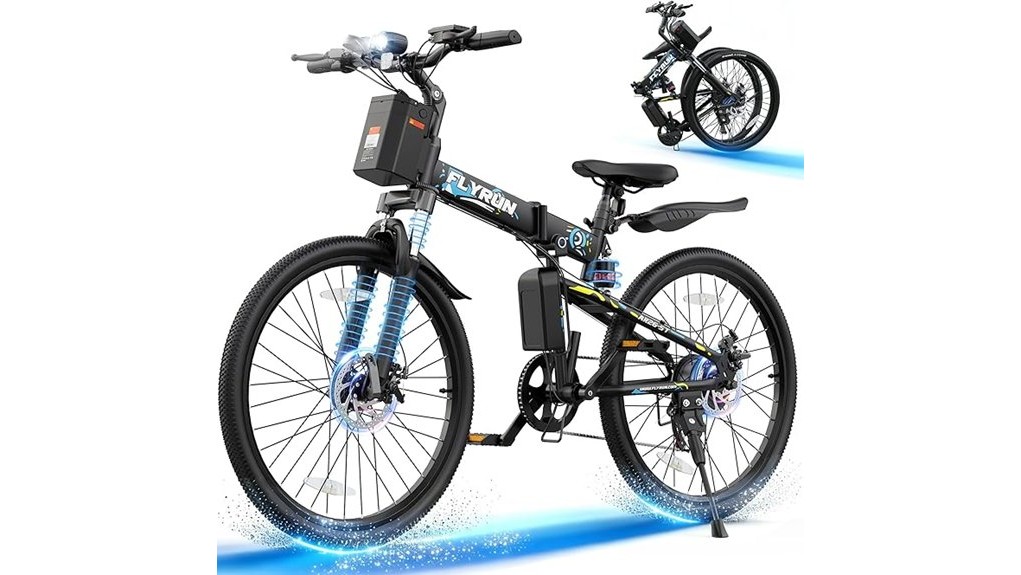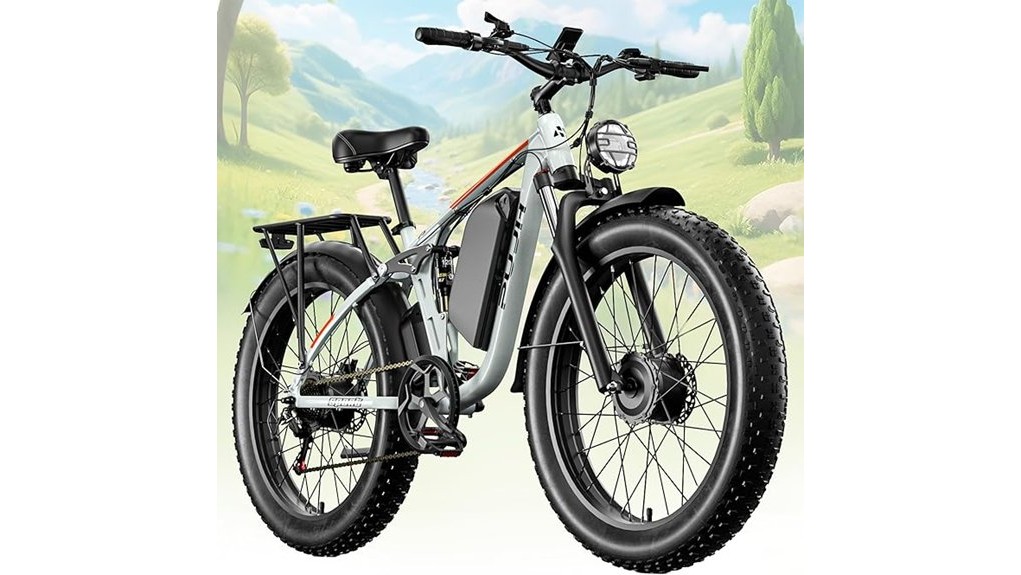

You get a heavy-duty PU3 with twin 2,000W brushless motors (4,000W combined) and about 160 Nm per motor for strong hill and cargo performance; motor cooling and a 7-speed derailleur help manage thermal and torque stress. The removable 52V 25Ah (~1,300 Wh) battery yields roughly 40–110 miles depending on assist and terrain. At 85 lb curb weight it’s built for payload and utility with full suspension, fat tires, hydraulic brakes and commuter lighting—keep going and you’ll find detailed trade-offs and comparisons.
Some Key Takeaways
- Twin 2,000 W brushless motors deliver up to 4,000 W combined and strong 160 Nm per motor for exceptional hill-climb torque.
- Removable 52V 25Ah (≈1,300 Wh) battery offers practical 40–110 mile range depending on assist, terrain, and rider weight.
- Heavy 85 lb frame with 330 lb payload, 24″×4.0″ fat tires, and seven-level suspension prioritizes stability and off-road traction.
- Thermal-managed motors, 7-speed derailleur, and throttle/pedal-assist modes balance performance and reduce motor strain.
- Dual hydraulic brakes, lights, signals, and included lock/accessories emphasize safety and commuter utility despite added weight.
Powertrain and Performance: 4000W Dual Motors, Torque, Speed Modes, and 7-Speed Drivetrain
Because the PU3 pairs twin brushless motors for a combined 4,000 W output, you’ll get robust acceleration and hill-climbing capability across riding conditions. You’ll notice consistent torque delivery—each motor contributes to a peak 160 Nm—so load transients are smoothed. Motor cooling is managed to limit thermal derating during prolonged climbs or high-power bursts, preserving sustained output. The 7-speed derailleur gear integration lets you optimize cadence and reduce motor strain, improving efficiency. Throttle response is immediate in full-throttle modes and progressively modulated in pedal-assist, enabling predictable control for varying terrain and rider loads. This setup is ideal for riders who enjoy outdoor activities and want to boost their off-road thrills with high-performance ebike motors.
Battery, Range, and Charging: What to Expect From the 52V 25AH (1,300 Wh) Pack
With a 52V, 25Ah (approx. 1,300 Wh) removable lithium-ion pack, you’ll get a high-capacity energy source that supports sustained high-power draws and flexible charging options. Expect practical range between roughly 40–110 miles depending on assist level, terrain, and rider mass; high-power dual-motor modes reduce range toward the lower end. To maximize battery longevity, follow conservative charging etiquette: avoid full discharges, prefer partial top-ups, and use the supplied charger. Monitor ambient temperature—cold cuts usable capacity, heat accelerates degradation. For storage methods, hold state of charge near 40–60%, store in cool dry conditions, and recharge every 3–6 months. For riders who enjoy outdoor activities, regular maintenance and following battery care best practices will help keep your pack reliable on longer trips.
Ride Quality and Build: Frame, Full Suspension, 24″ X 4.0″ Fat Tires, and Load Capacity
Balancing stiffness and compliance, the PU3’s 6061 aluminum X-Large frame pairs with a seven-level full-suspension system to deliver controlled ride dynamics under load. You’ll notice calibrated compliance from dual front fork shocks, a single rear shock, dual seat springs, and a shock-absorbing saddle; seatpost travel up to six inches smooths impacts while preserving pedaling efficiency. 24″ x 4.0″ fat tires increase contact patch for traction on sand, snow, and loose surfaces, improving ride comfort without excessive rolling resistance. With an 85 lb curb weight and 330 lb max rider rating, the built-in cargo rack supports practical cargo versatility for utility use. The site also offers guidance on choosing the right ebike suspension seatpost to match this bike’s travel and load characteristics.
Controls, Safety, and Accessories: Brakes, Lights, Display, Throttle Modes, and Included Items
When you rely on the PU3 for daily riding or cargo runs, its controls and safety systems give you clear, responsive command: dual hydraulic brakes provide progressive stopping power under heavy loads, a twist throttle lets you engage single- or dual-motor full-throttle modes, and the colorful LED display presents speed, battery and odometer data at a glance. You’ll find handlebar ergonomics tuned for leverage with accessible brake levers and throttle. Lighting and reflective visibility meet practical commuting needs; integrated horn and turn signals aid compliance with safety regulations. Included lock security, pump, spare tube, and accessory modularity enhance maintenance accessibility and utility. Choosing the right brake pads is essential for maximizing stopping performance and pad life on heavier ebikes, so consider options rated for ebike braking use.
Who Should Buy the PU3 and Alternatives to Consider?
If you need an e-bike that prioritizes high torque, heavy-load capability, and off-road versatility, the PU3 is a strong candidate. You’ll benefit if you transport cargo carriers, tow trailers, or require sustained hill-climb performance with riders up to 330 lb. It suits recreational riders and utility-focused urban commuters who need robust range and payload capacity. Consider alternatives if you prioritize lighter weight, folding convenience, or stricter legal class limits: single-motor commuter e-bikes, mid-drive cargo models with lower top speed, or purpose-built cargo carriers with modular racks. Evaluate trade-offs: weight, maintenance, speed, and regulatory compliance. For riders who frequently carry gear for outdoor adventures, choosing a cargo e-bike designed for off-road use can make a significant difference in comfort and capability.
Some Questions Answered
How Long Does the Battery Take to Reach Full Charge From Empty?
You’ll reach a full charge in roughly 6–8 hours using the included charger; a fast charge option can reduce that to about 3–4 hours if supported. You’ll want to balance speed with longevity: frequent fast charging may slightly accelerate battery wear over many charge cycles. Monitor battery temperature during rapid charging, follow manufacturer guidelines, and expect gradual capacity decline across hundreds of charge cycles depending on usage and charging habits.
Is the Removable Battery Tsa-Compliant for Air Travel?
No — you can’t take that removable battery on most passenger flights. The 52V 25Ah (1,300 Wh) exceeds typical airline and TSA rules for lithium-ion batteries; airlines generally limit carried batteries to 100 Wh without approval and up to 160 Wh with airline approval, not 1,300 Wh. You’d need cargo-only transport and carrier approval, follow hazardous materials procedures, and coordinate with the airline and freight forwarder for compliant shipping.
Can the PU3 Be Legally Registered as an E-Bike in My State/Country?
You probably won’t qualify the PU3 as a standard e-bike in many jurisdictions because its 4000W combined power and top speed (~38 MPH) exceed common legal classification limits; check local regulations. You should compare motor wattage, top assisted speed, and throttle rules against your state’s or country’s e-bike class definitions. If it exceeds limits you’ll need registration, licensing, insurance, or conversion to compliant specifications to be legal.
What Maintenance Schedule Is Recommended for Dual Motors and Hydraulic Brakes?
You should perform periodic inspection every 500–1,000 miles: check motor mounts, wiring, connectors, and torque values; inspect seals and bearings. For hydraulic brakes, bleed and fluid replacement annually or every 6–12 months under heavy use; replace brake fluid if contaminated or spongy. Clean rotors, pads, and calipers monthly; measure pad thickness and rotor runout. Document findings, tighten fasteners, and verify firmware or controller diagnostics during each service.
Are Replacement Parts Readily Available and Where to Order Them?
Yes — replacement parts are generally available. You’ll find OEM compatibility for batteries, motors, displays, brakes and drivetrain from the manufacturer and authorized dealers; aftermarket options cover tires, suspension components, racks and lighting. Order OEM parts from Shenzhen Ming Nuo’s dealer network or the included user guide links; buy aftermarket parts through mainstream e-bike suppliers and specialty forums. Verify part numbers, fitment and warranty implications before purchasing.