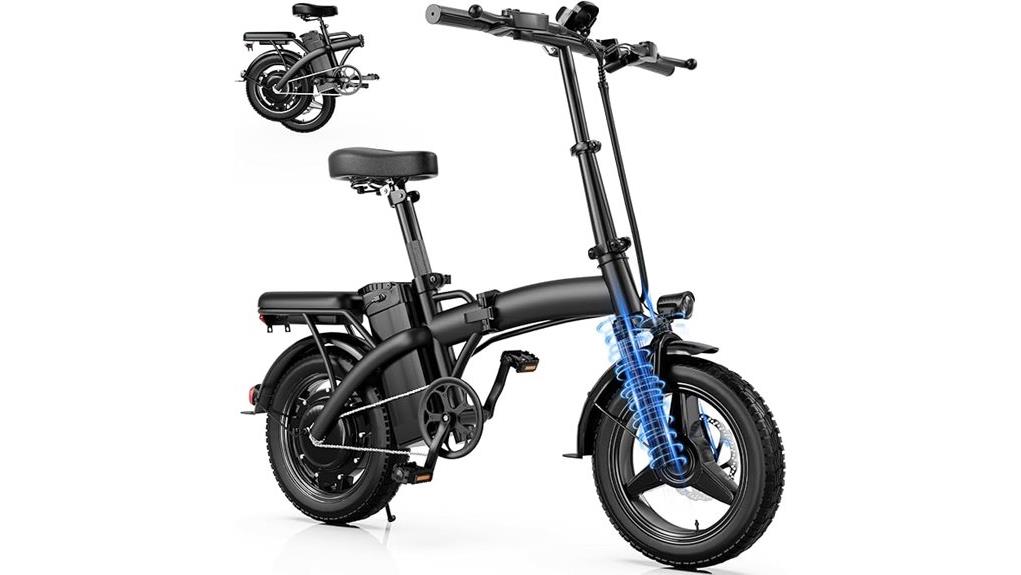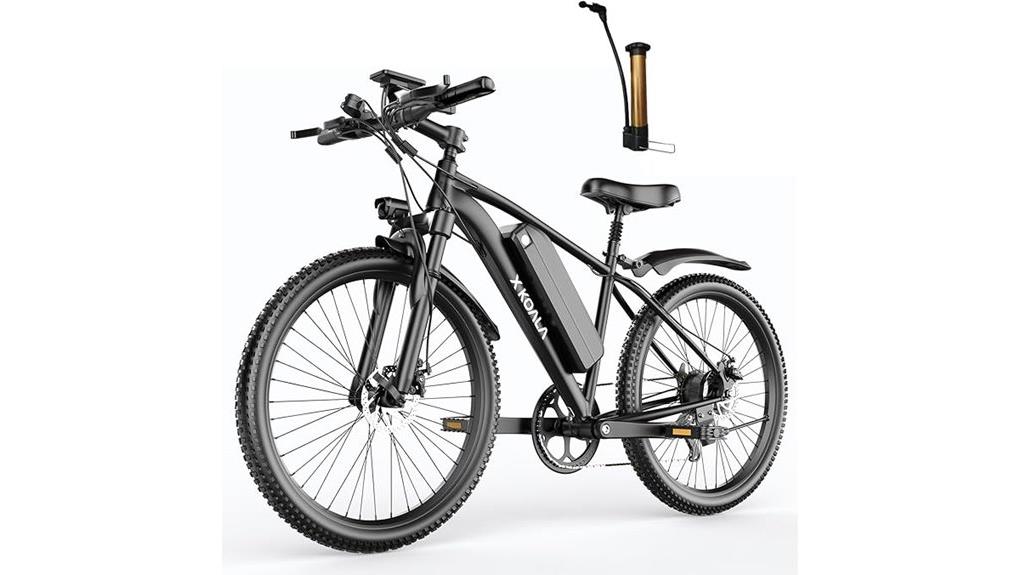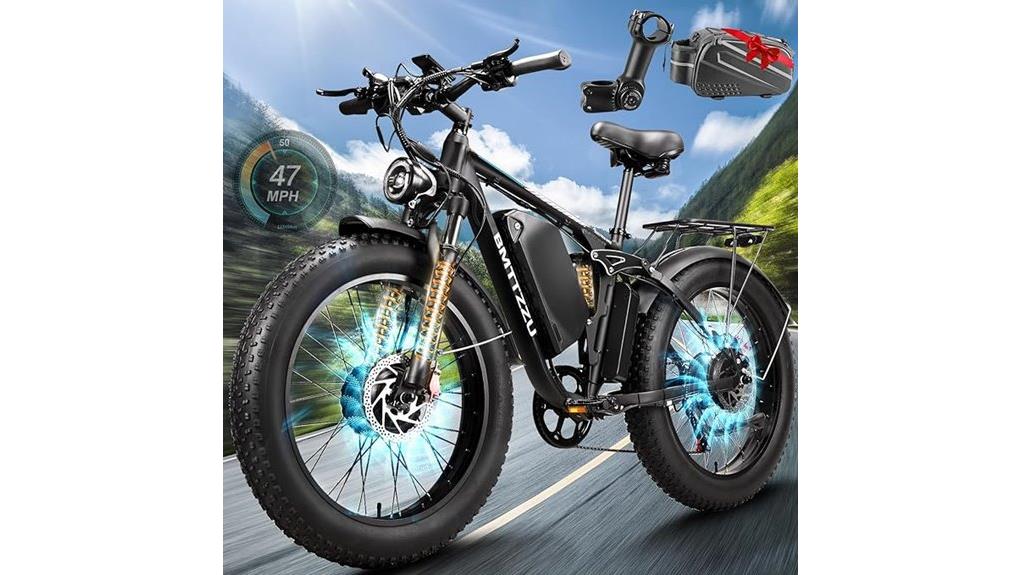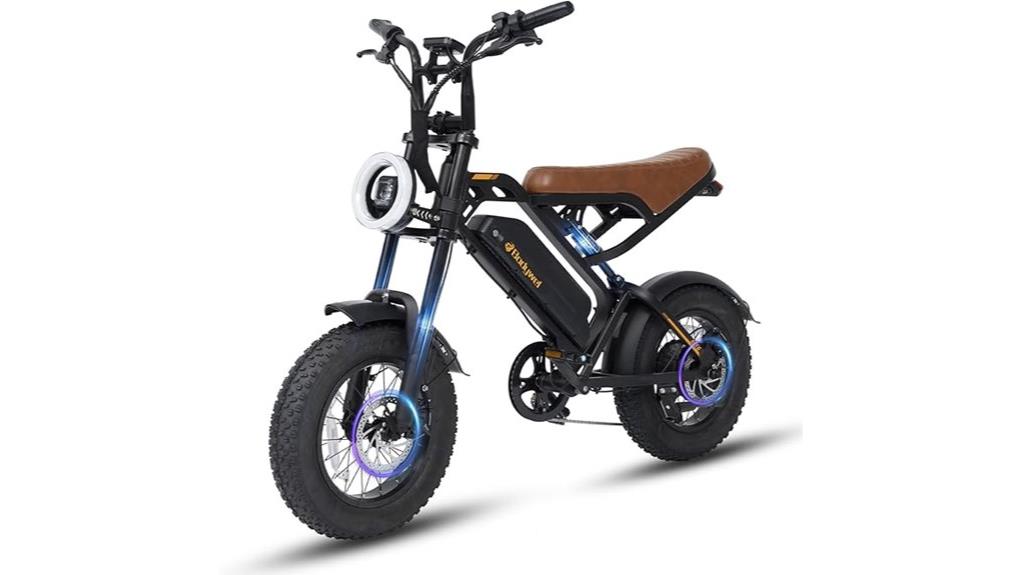
If you want a compact, powerful commuter or a trail-ready fat-tire ride, Bodywel offers three distinct e-bikes: a 14″ folding 36V/750W commuter for portability and urban stops, a 16″ T16PRO 48V/1500W fat-tire option with dual shocks and strong hill punch, and a 20″ 48V/1500W model for taller riders and longer commutes with rear rack and app features. Expect varying speed, range, and comfort; keep reading to see which fits your needs.
Some Key Takeaways
- Identify the model: confirm whether review covers Bodywel 14″ folding, 16″ T16PRO, or 20″ adult model for accurate comparisons.
- Motor and battery: note peak power (750W/1500W) and voltage (36V/48V) to set expectations for speed and hill performance.
- Real-world range and speed: report typical urban runtime and top speeds (14″ ~20 MPH, 16″ ~29 MPH, 20″ ~20 MPH) under usual conditions.
- Ride comfort and use: summarize ergonomics, suspension, tire width, and suitability for commuting, trail, or long-haul rides.
- Build, safety, and service: check frame/weld quality, brakes/lights, battery mounting, warranty, and local maintenance support.
What Bodywel Models Are Available and Who Each Is Built For
Although the Bodywel line shares durable steel frames and hub-motor assist, each model targets a different rider: the 14″ folding commuter suits urban users who need a lightweight, compact 49-lb bike with a 750W peak motor and 36V battery for short city runs; the 16″ T16PRO fat-tire off‑roader is built for trail seekers and weekend explorers who want a 1500W/48V setup, dual shocks, integrated signals and 2.5″ tires for rough terrain; and the 20″ adult model fits taller riders and longer commutes with a 1500W/48V system, larger frame, rear rack and app connectivity for extended rides. You’ll pick the 14″ if you’re a compact commuters fan seeking portability and nimble city maneuvers; choose the 16″ if you’re among adventure explorers prioritizing traction and suspension; opt for the 20″ when range, load capacity and comfort matter for longer open-road freedom. The product line is especially well suited to foldable e-bike riders who value portability without sacrificing power.
Real-World Performance: Motor, Speed, Range, and Hill Climbing
When you push a Bodywel, the motor and battery combination tell you exactly what to expect: the 14″ commuter’s 750W peak motor with a 36V pack gives brisk city acceleration up to about 20 MPH and roughly an 80‑minute ride time under typical urban loads, while the 16″ T16PRO and 20″ adult models use 1500W peak motors and 48V batteries to deliver stronger hill performance and higher sustained speeds—up to about 29 MPH on the 16″ and 20 MPH on the 20″—with runtimes varying from a couple of hours to several depending on terrain, rider weight, and assist level. You’ll notice the 16″’s torque sensing feels more immediate on climbs, while the 20″ balances speed and endurance for longer rides. Expect real-world range to shift with payload, gradient, and aggressive throttle use; plan for gradual battery degradation over years and moderate drops in peak range if you frequently run high assist or carry heavy loads. For extended outings consider range extender batteries to maximize ride time and flexibility.
Ride Comfort, Controls, and Daily Usability by Model
If you prioritize daily comfort and straightforward controls, each Bodywel model targets a different rider need. You’ll find the 14” favors urban ease: firmer seat padding, narrow foot placement for quick stows, responsive throttle responsiveness for stop‑and‑go, compact handlebar ergonomics, low ride noise, and decent grip texture—limited cargo capacity but agile posture. The 16″ trades lightness for cushioning: thicker seat padding, wider foot placement, stable ride posture, plush suspension reducing ride noise, tactile grip texture, and higher cargo capacity for weekend gear. The 20″ balances long‑haul comfort, adjustable posture, predictable throttle responsiveness, and practical cargo capacity. These models are designed specifically for step‑through ebike riders who enjoy outdoor activities.
Build Quality, Safety Features, and Technical Specs to Check
Because build quality dictates both longevity and rider safety, you should inspect frame materials, welds, and component fit before buying any Bodywel model. Compare high-carbon and carbon steel frames for stiffness versus weight; check welds for uniformity and signs of frame corrosion. Verify brakes, lights, and suspension travel match intended use—commuter vs off-road. Confirm tire width, rack strength, and load ratings. Run battery diagnostics to confirm capacity, voltage (36V vs 48V), and charge cycles; guarantee secure battery mounts and waterproofing. Demand neat cable routing, clear LCD readout, and a solid warranty so you can ride free with confidence. Also consider essential maintenance gear and practices for outdoor ebike riders, like regular chain care and a maintenance kit tailored to off-road use.
Should You Buy a Bodywel? Price, Use-Case Match, and Quick Buying Checklist
While price and priorities vary, you should buy a Bodywel only if a specific model matches your riding needs and budget—compare the 14″ commuter for compact city use and easy storage, the 16″ T16PRO for off-road traction and higher power, or the 20″ adult for longer commutes and heavier loads. Evaluate pricing tiers and expected ownership costs (battery replacements, maintenance). Do fit testing for comfort, handlebar range, and load capacity. Match top speed and runtime to your routes. Confirm warranty, assembly needs, and a clear return policy. Quick checklist: model, range, load, controls, brakes, and service access. Consider whether a compact eBike design will suit your outdoor-adventure riding style and storage needs, especially if you value compact portability.
Some Questions Answered
Do Bodywel Bikes Come Partially Assembled From the Factory?
Yes — you’ll receive Bodywel bikes partially assembled. They arrive with boxed frames and boxed shipping to protect components; you’ll still need to attach handlebars, front wheel, pedals, and adjust controls. Compared to fully assembled bikes, this saves shipping costs and eases transport while keeping durability. You’ll enjoy quicker setup freedom, usually a straightforward 20–45 minute routine with basic tools, plus a one-year warranty for peace of mind.
Can I Add a Child Seat or Trailer to These Models?
Yes — you can add a child seat or cargo trailer, but compatibility varies by model. The 20″ adult frame with rear rack and 330 lb max load handles a child seat or small cargo trailer best. The 16″ off-road can tow a cargo trailer for adventures but its fat tires and shocks may need adapter hardware. The 14″ folding is limited by weight and rack space, so use lightweight, low-profile child seats only.
Are Replacement Batteries and Parts Readily Available?
Yes — you can usually find replacement batteries and parts, but availability varies by model and region. You’ll want to check battery availability, parts compatibility, and local distributors before buying. Aftermarket warranties can help if official stock’s limited. The 36V/48V options are common, so swaps are often possible; still, confirm connector types and mounting size to keep your freedom to ride without unexpected downtime.
Do Any Models Support Pedelec (Pedal-Assist) Only Mode?
Yes — you can use pedal only mode on these models. You’ll switch to pedal-assist or pedal only via the LCD or app, letting you conserve battery and meet local safety compliance. The 14″, 16″ and 20″ variants all offer assist levels; the 16″ (T16PRO) gives the most configurable modes. You’ll enjoy freedom to choose pure human power or blended electric help depending on range and terrain.
What Maintenance Schedule Should New Owners Follow?
You should perform monthly checks and follow seasonal storage routines. Each month inspect brakes, tire pressure, bolts, lights, battery charge cycles, and drivetrain; compare wear to baseline and address issues. Every season: deep-clean, lubricate, charge to 50% for long storage, remove battery if possible, and protect from moisture. You’ll want professional servicing annually or sooner after heavy off-road use so your freedom to ride stays reliable and safe.