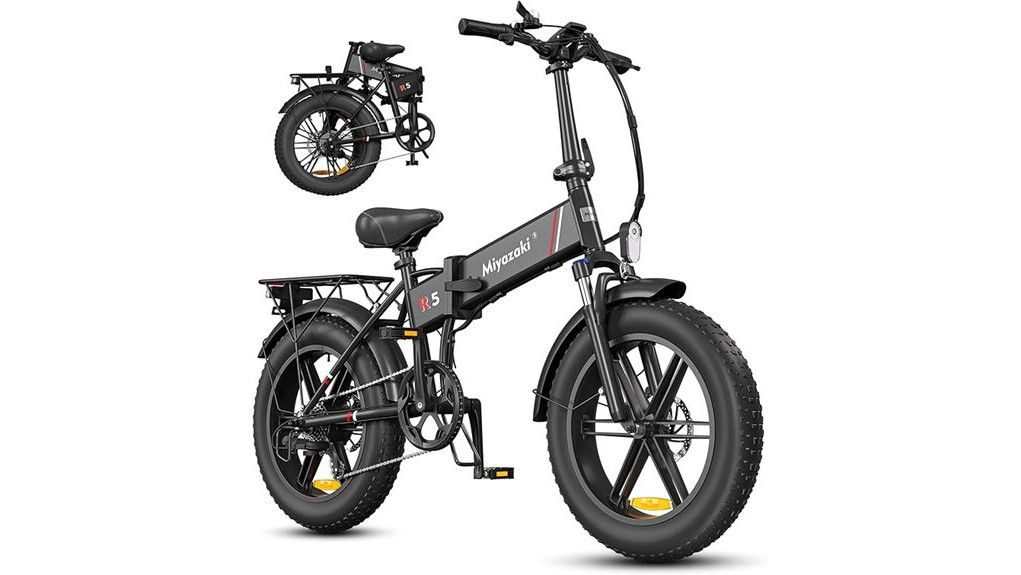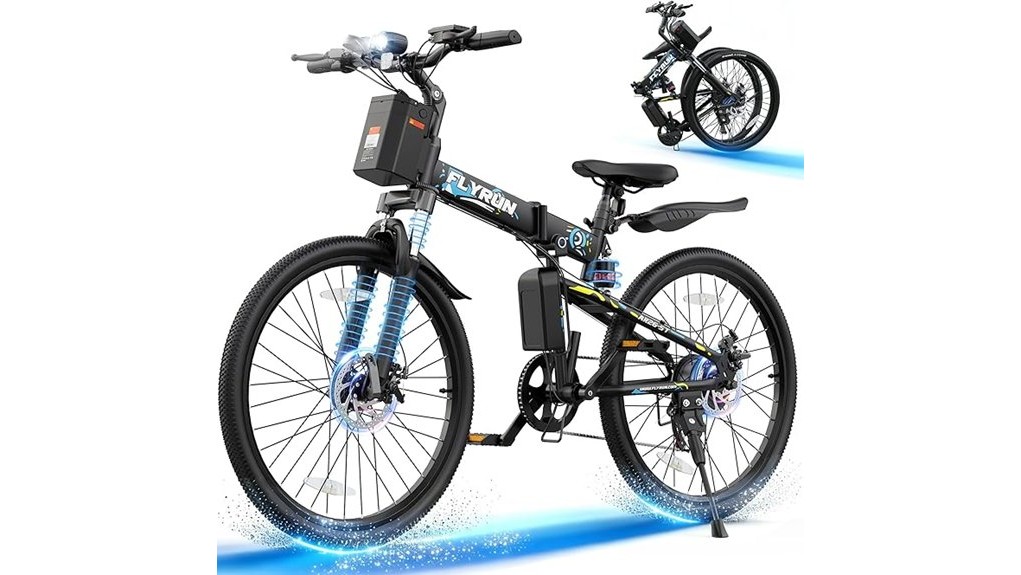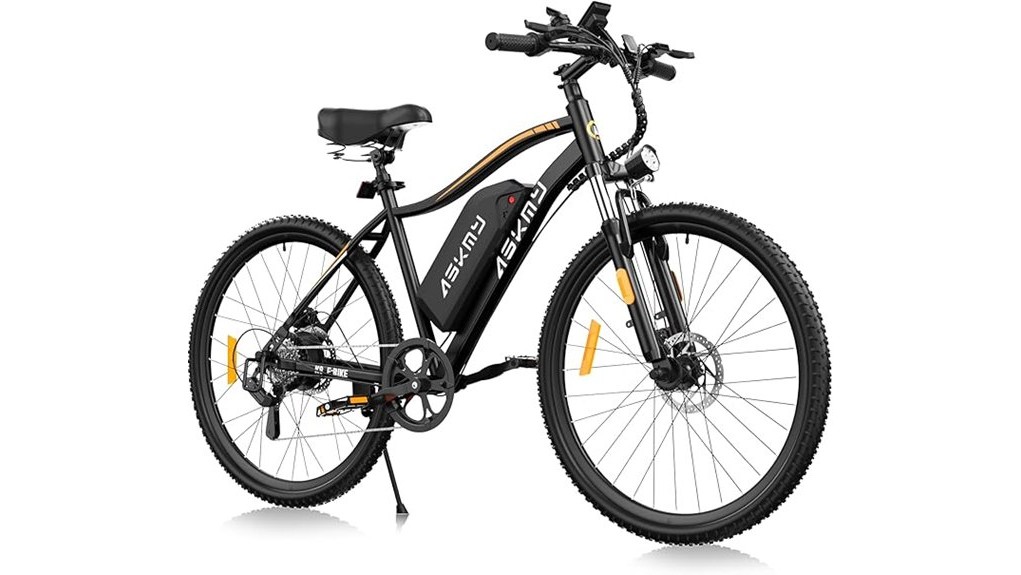

You’ll find the REOCRO R‑E26 is a beefy, steel‑framed e‑MTB that favors durability and load capacity over low weight. It uses a 350W continuous (750W peak) hub motor and a removable 48V/480Wh battery that realistically gives 25–40 miles with mixed pedaling. Mechanical dual discs and lockable front suspension offer simple, serviceable control, though the bike feels heavy in quick maneuvers and on long climbs. Keep going to see detailed specs, performance notes, and alternatives.
Some Key Takeaways
- Durable high-carbon-steel frame prioritizes load capacity and longevity over lightweight agility.
- 350W continuous (750W peak) hub motor gives strong torque but struggles on long, steep climbs.
- Removable 48V/480Wh battery charges in 4–5 hours, real-world range about 25–40 miles with pedal assist.
- Mechanical dual disc brakes are simple and serviceable but need routine maintenance for reliable stopping.
- Best for commuters and heavier riders who value robustness and range, not for weight-conscious or performance-focused buyers.
Real Verdict Up Front: Is the REOCRO R-E26 Worth Buying?
Wondering if the REOCRO R-E26 is worth your money? You’ll get a sturdy, high-carbon-steel frame, 350W continuous motor with 750W peak, and a removable 48V/480Wh battery offering 40–50 miles with pedal assist. It suits riders 5’3″ and up, supports varied terrain, and includes practical extras like LED lighting and mechanical disc brakes. Consider total cost—factor in price negotiation and potential shipping or assembly fees. Assess long term maintenance: heavier weight and steel frame mean more wear points and brake/drive upkeep. If you prioritize value over lightweight performance, it’s a reasonable buy. For riders who enjoy outdoors and off-road use, choosing the right motor power and torque is crucial for adventure riding.
Detailed Specs and Hardware You Need to Know (Motor, Battery, Frame, Brakes)
You’ve seen the quick verdict; now let’s unpack the hardware that governs ride feel and reliability. You get a 350W continuous, 750W peak brushless motor delivering high torque for climbs; its hub placement and cooling affect sustained output. The removable 48V, 480Wh battery capacity chargers in 4–5 hours and mounts for easy swap. The high carbon steel frame prioritizes durability and load tolerance but adds weight; geometry suits mixed commuting and trail use. Stopping power comes from mechanical dual disc brakes—simple, serviceable, predictable. Overall, specs favor robustness and value over lightweight, race-oriented design. Many riders who enjoy outdoor activities choose bikes with high-performance ebike motors to boost off-road thrills and reliability.
Real-World Performance: Speed, Range, Climbing, Suspension, and Handling
Although the R-E26’s headline numbers are straightforward, real-world performance paints a more nuanced picture: you’ll hit the regulated 20 MPH top speed on flat ground with moderate pedal input in PAS or pure throttle, while sustained high speeds tax the 350W continuous motor and battery, especially on climbs. In controlled speed tests you’ll see 25–40 mile ranges with mixed pedaling; pure throttle drops to ~25 miles. Climbing is competent on moderate grades but stalls on long, steep pitches despite peak torque claims. Lockable front suspension soaks chatter; overall trail handling is stable but feels heavy during quick direction changes. This makes the bike a solid choice for riders who prefer exploring rough terrain on fat eBike tires.
Assembly, Controls, Safety Features, and Daily Usability
After testing speed, range, and handling, you’ll find the R-E26’s day-to-day experience hinges as much on assembly quality and control ergonomics as on raw performance. Assembly is straightforward: 85% pre-assembled, the included tool kit and clear manual cut time to finish. Controls are logical; the LCD, throttle, and PAS respond predictably, and seat adjustment is simple with the quick-release clamp. Safety features—mechanical dual disc brakes, reflectors, horn, and LED headlight—are adequate; headlight range is modest for urban use. Routine brake maintenance and periodic torque checks keep the steel frame and components reliable for daily commuting. Gear Up supports outdoor ebike riders with essential maintenance guidance and product recommendations.
Who Should Buy the R-E26 and Alternatives to Consider
If you need a sturdy, budget-friendly e-bike for mixed commuting and light trail use, the R-E26 fits riders who value torque and practical features over lightweight agility. You’ll appreciate its 350W continuous motor, high-capacity 48V battery, and durable high-carbon-steel frame if you carry gear or tackle steep commutes and gravel turns. It’s best for taller, heavier riders and commuters who prioritize range and climbing power over nimble handling. If you want lighter weight, faster acceleration, or higher-end components, consider mid-drive or alloy-frame budget alternatives from brands offering longer warranties and better brakes. Riders who frequently tackle varied terrain should also consider upgrading to disc brake pads designed for active ebike use to improve stopping power and durability.
Some Questions Answered
What Is the Bike’s Warranty Claim Process and Customer Support Contact?
You contact the manufacturer to start a warranty claim via email or support channels listed in the manual; you’ll need your purchase proof, serial number, photos, and defect details. Warranty timelines are limited (1 year) and response times vary—expect initial acknowledgment within days and resolution or repair guidance within weeks. You’ll track progress through email, phone, or the seller’s portal; keep all correspondence and follow prescribed return/shipping instructions.
Can the Battery Be Upgraded or Replaced With Higher Capacity?
Yes — you can replace the battery, and battery swaps with compatible packs are possible, but you shouldn’t assume plug-and-play upgrades. You’ll need a matching 48V form factor, proper connectors, and BMS compatibility. Aftermarket cells or higher-capacity packs can increase range but may void warranty and require wiring or mounting modifications. Have a qualified e-bike technician verify voltage, current limits, and safety protections before installing any aftermarket cells or custom pack.
Are Replacement Parts (Tires, Brake Pads, Derailleur) Readily Available?
Yes — replacement parts are generally available. You’ll find common items like 26″ tires, mechanical disc brake pads, and Shimano-compatible 7-speed derailleurs with good aftermarket availability. Check spare compatibility for wheel width (1.95″) and derailleur hanger type before buying. OEM-specific items (display, battery casing) may be harder to source, so verify fitment or contact the manufacturer. Keep records of specs to streamline parts ordering.
How Weather-Resistant Is the Electrical System and Connectors?
The electrical system is moderately weather-resistant: you’ll find waterproof connectors and a sealed controller that protect key components from rain and splashes. Expect good short-term performance in wet rides and light showers, but prolonged submersion or high-pressure washing can compromise seals. You’ll want to dry connectors after heavy exposure and avoid deep puddles. Regular inspections and cautious cleaning will help maintain long-term reliability of the electrical system.
Is There an Option for Pedal-Assist Tuning or Speed Limiter Adjustment?
Yes — you can adjust pedal-assist via the bike’s PAS settings on the LCD, but factory options are limited; there’s no official pedal calibration menu beyond selecting assist levels. If you need finer tuning or want to change top speed, some users explore limiter hacking through controller firmware or third-party controllers, but that voids warranty and risks safety/legal issues. You should weigh benefits against warranty loss and safety implications.