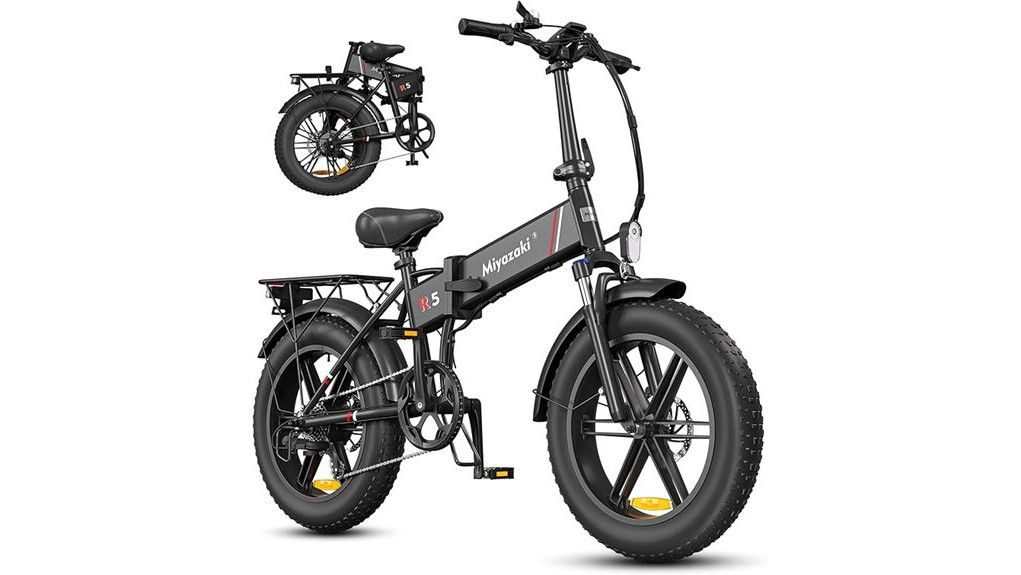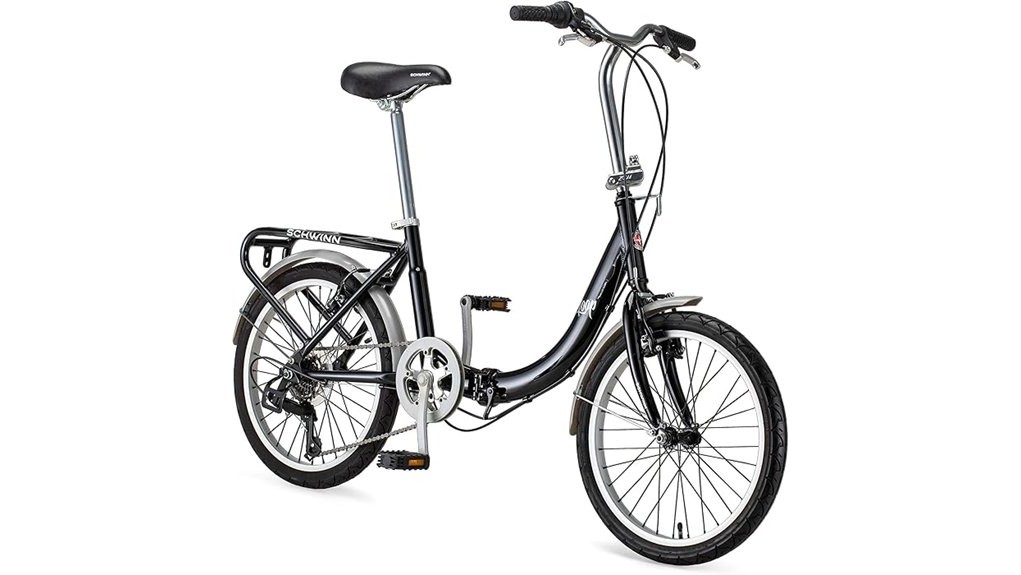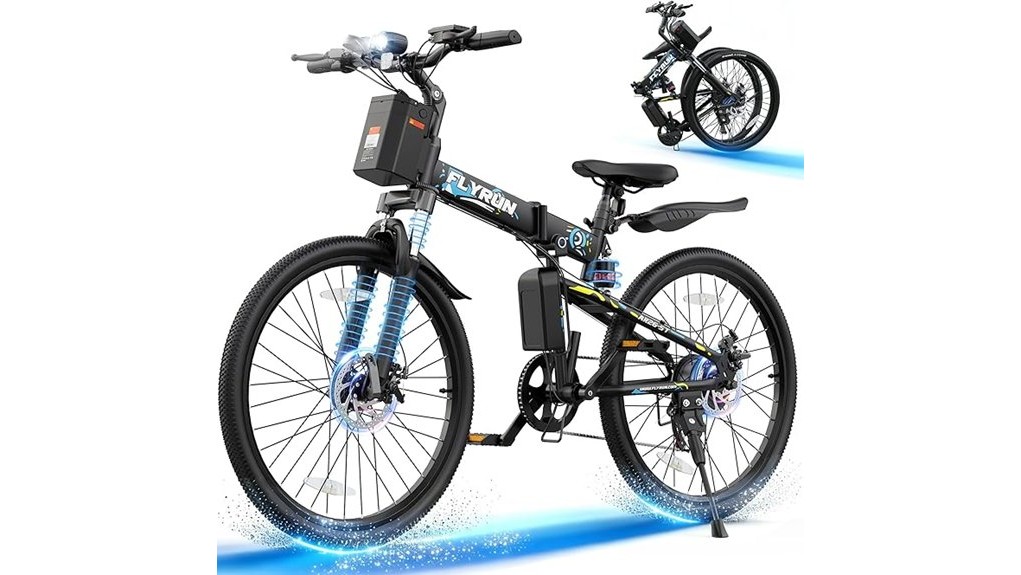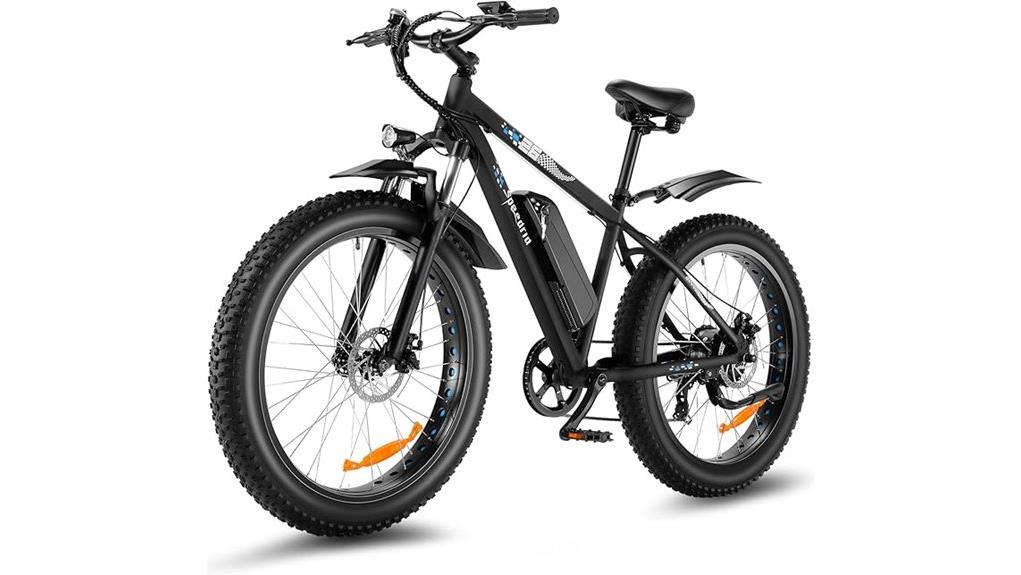
The Speedrid 26″ Fat Tire is a solid choice if you want a commuter that handles sand, snow, and gravel without sacrificing comfort. You get a 500W (750W peak) motor, 7-speed gearing, and fat 4″ tires for traction, trading nimble agility for stability. A removable 48V battery offers up to ~60 miles idealized (real world 25–45), UL safety certifications, and basic accessories with a one-year warranty. Keep going to see detailed performance, range, and fit comparisons.
Some Key Takeaways
- 500W (750W peak) motor delivers brisk acceleration and confident hill-climbing for commuting and off-road use.
- 4″ fat tires and lockable front suspension provide excellent traction and smoothing on sand, snow, and gravel.
- 48V removable battery (13Ah/624Wh or 10.4Ah) claims up to 60 miles; real-world range typically 25–45 miles.
- Upright aluminum frame, adjustable saddle, and 7-speed gearing prioritize comfort and efficient cadence control.
- Approximately 20–40 minute assembly, UL-certified battery, one-year parts warranty, and included basic accessories.
Quick Summary: Who the Speedrid 26 Fat Tire Is Best For
Although it’s rugged enough for off-road trails, the Speedrid 26″ Fat Tire is best for riders who want a versatile commuter that can also handle beach, snow, and gravel, thanks to its 500W (750W peak) motor and 4″ puncture-resistant tires. You’ll find commuter friendly ergonomics with an adjustable seat, upright posture, and intuitive controls that reduce fatigue on long runs. Compared to narrow-tyre e-bikes, it trades nimbleness for stability and better traction. Its luggage carrying capacity suits daily errands and light touring, so you can choose freedom in route and payload without sacrificing practicality. Built for outdoor riders who favor rugged, multipurpose designs, it pairs well with fat e-bike tires that improve grip on loose terrain.
Power, Range, and Ride Performance (Motor, Gears, Top Speed)
Start strong: the Speedrid’s 500W nominal (750W peak) brushless motor gives you brisk acceleration and confident hill-climbing for most urban and light off‑road situations, while the 7‑speed derailleur lets you fine‑tune pedaling effort when you want to conserve battery or tackle steeper grades. You’ll reach up to 25 MPH depending on load and conditions; throttle or pedal assist modes adjust responsiveness. Range can hit about 60 miles with the 13Ah pack but varies with motor tuning, rider weight, terrain, and wind. Cadence sensors and the gear spread help you maintain efficient power delivery for longer rides. The site offers advice on choosing the right ebike motor for different kinds of outdoor riding.
Handling and Comfort: Frame, Fat Tires, Suspension, and Weight Limits
With the motor and gearing sorted, handling and comfort become the features that define how the Speedrid actually feels on varied surfaces. You get a large aluminum frame that holds a confident riding posture, keeping you upright for visibility and control. Four-inch fat tires smooth sand, snow, and gravel, offering superior traction versus standard tires. The lockable carbon-steel front fork provides modest suspension travel; combined with tire volume it delivers effective vibration damping without plush mountain-bike compliance. At a 300-pound maximum rider limit, the bike balances durability and agility—stiff enough for stability, compliant enough for long, liberating rides. The bike’s design and accessories are tailored for outdoor riders who enjoy off-road adventures and gear for fat tire ebikes like cargo racks and fenders fat tire ebike gear.
Battery, Charging, Safety Certifications, and Real-World Range Test
Because the Speedrid uses a removable 48V lithium pack (available in 13Ah/624 Wh or 10.4Ah options), you’ll get a clear trade-off between range and weight: the larger 13Ah battery claims up to 60 miles per charge under ideal conditions, while the smaller pack will cut that figure noticeably depending on assist level and terrain. You can charge on- or off-bike with fast-charge reaching full in about 4+ hours. UL 2271 and UL 2849 certification confirms Charging safety and overall build standards. Expect strong Battery lifespan if you follow moderate discharge cycles; real-world tests show 25–45 miles per charge. For best longevity, follow battery care practices like storing at moderate charge and avoiding extreme temperatures.
Value Checklist: Assembly, Warranty, Included Accessories, and Final Buy/No-Buy Recommendation
Although assembly is mostly straightforward, you’ll still need basic tools and about 20–40 minutes to finish the Speedrid (90% pre-assembled). You’ll fit handlebars, front wheel, and pedals; tool compatibility is broad—standard wrenches and hex keys work, and an online video guides you. Warranty is one year for parts, matching competitors at this price, while UL certifications strengthen safety claims. Included accessories (tool kit, removable battery, digital display) add tangible value versus simpler builds. If you want reliable range, robust components, and decent support, buy; if you need extended warranty or premium brakes, pass. For outdoor riders, carrying an essential ebike tool kit is recommended to handle common roadside adjustments.
Some Questions Answered
Is the Bike Suitable for Tandem Riding or Carrying a Passenger?
No — you shouldn’t rely on this bike for tandem riding or regular passenger capacity. Its aluminum frame, single-rider geometry, and 300 lb max load are optimized for solo use; adding a passenger would stress the frame, battery range, brakes, and suspension. Compared to purpose-built tandem or cargo e-bikes, it lacks reinforced mounting points, extended wheelbase, and rated passenger accommodations. For freedom with company, choose a bike designed for tandem compatibility instead.
Can I Install a Rear Rack or Child Seat on the Frame?
Yes — you can fit a rear rack and many child seats, though you’ll check specs first. Rear rackability is good on the aluminum frame with 300 lb capacity and standard mounting points; choose a rack rated for e-bike loads. Child seatability is feasible if you pick seats compatible with 26″ wheels and confirm clearance from the 4″ fat tires and battery placement. Compare rack types and seat mounts for secure, freedom-focused rides.
Are Replacement Batteries and Chargers Readily Available?
Yes — replacement batteries and chargers are generally available. You’ll find OEM and aftermarket battery availability for the removable 48V pack, so battery availability is solid compared with niche models. Check charger compatibility carefully: use the UL-certified original or a matched 48V fast charger to avoid issues. You’ll prefer OEM for warranty coverage, while third-party options may offer lower prices or higher capacity, trading convenience for potential compatibility risks.
What Smartphone Apps or Bluetooth Features Does the Display Support?
The display supports Bluetooth pairing with a companion app, letting you do ride tracking and view speed, battery, and trip logs. You can install app updates for new features and stability; the app offers firmware control to update the controller and display when available. Compared to basic displays, this one gives more connected control and diagnostics, so you’ll have freedom to tweak settings, monitor rides, and keep firmware current for better performance.
Is Theft Insurance or Serialized Registration Available for This Model?
Yes — you can use the bike’s serial number to register it, and you should consider theft insurance. You’ll locate the serial number on the frame, then compare local registration services and private insurers. Theft insurance options vary: manufacturer warranty won’t cover theft, so third-party policies or home/renter add-ons are common. You’ll get more freedom by choosing all-inclusive theft insurance and keeping serial number records, photos, and purchase proof.